

After weathering the worst financial crisis in decades, Sri Lanka experienced a fragile economic recovery in 2024. However, rising prices, low wages, and high unemployment continue to weigh heavily on the population, particularly the most marginalized groups, including women and informal workers.
Sri Lankan women are affected by enormous gender inequalities, reflected in their low participation in the workforce, significant wage disparities, and a disproportionate burden of unpaid domestic and care work.
Women at the heart of the Sri Lanka YCW project
Faced with these challenges, the YCW in Sri Lanka has launched a project that focuses on education, skills development, and the economic empowerment of women.
It began with an informal survey of young people in local communities. This strategy of creating informal links made it possible, in the first instance, to identify several key leaders who served as intermediaries between the project team and the public at large.

Capacity building and global citizenship training
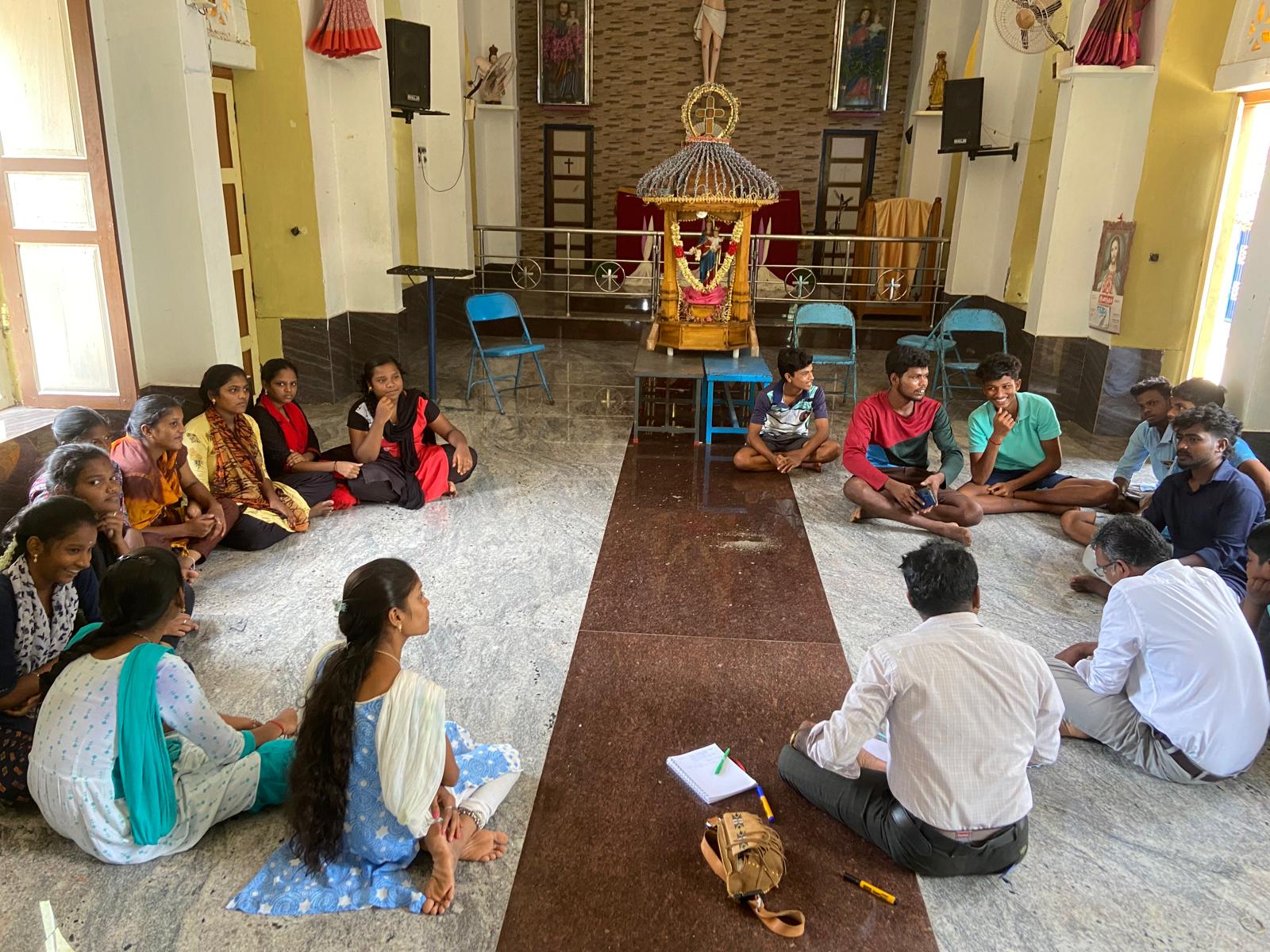
Leadership and women's empowerment training sessions were then organized in communities and grassroots groups. Specific training took place at Batagama Church and Kaleliya, bringing together nearly 60 young leaders.
These training sessions, aimed at young people, were designed according to the Global Citizenship Education (GCE) approach and the YCW's See-Judge-Act method. The young women were able to develop a better understanding of their reality, identify the root causes of the issues they face, and analyze their specific consequences. They were also encouraged to take action, become more involved, and explore new forms of collective organization.

An innovative approach: exchange of experiences and visit to a textile workshop
One of the highlights of the project was the exchange of experiences. This initiative gave young people the opportunity to discover, through practical experience, new prospects for employment and economic empowerment.
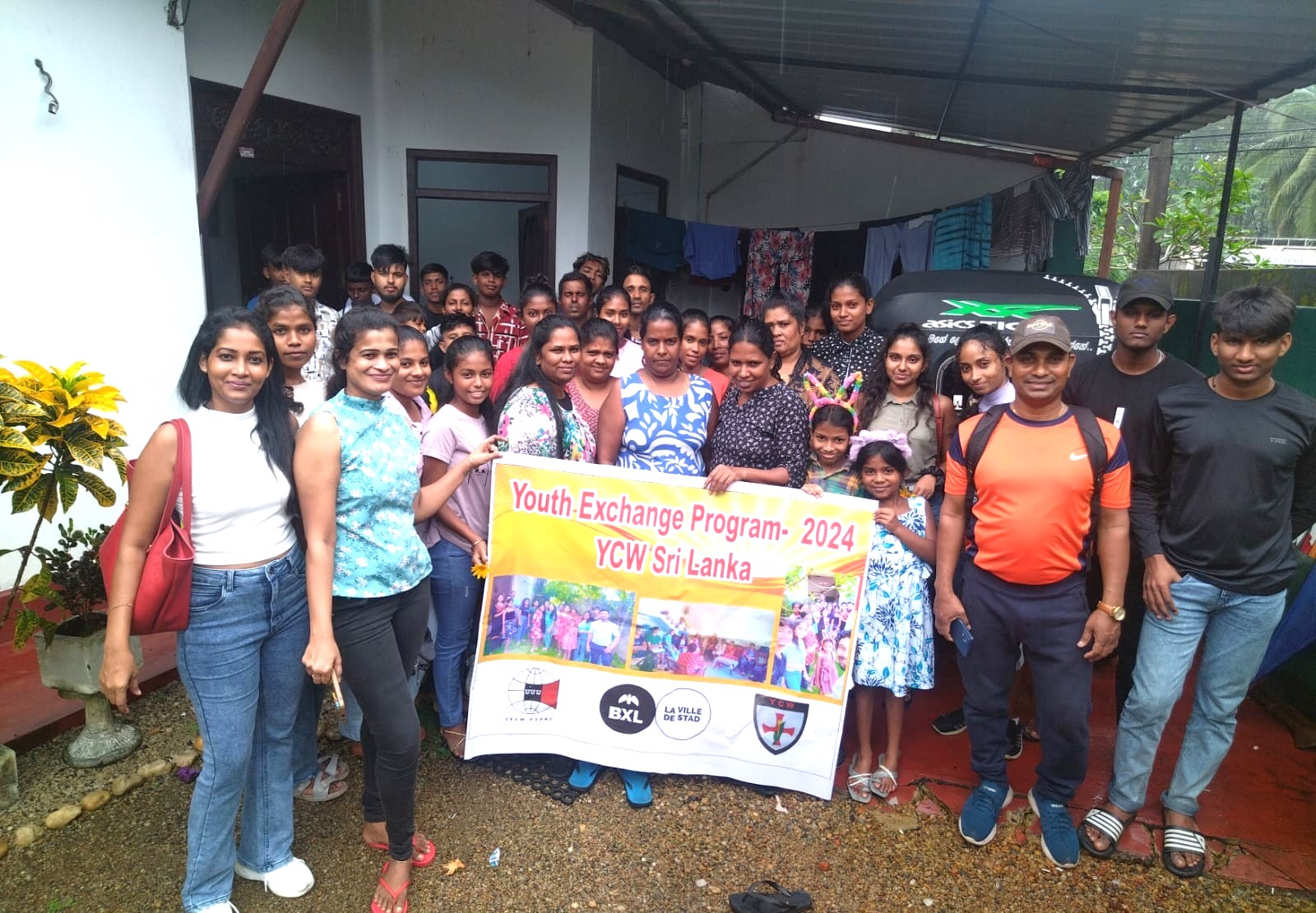
A total of 36 young people from Kaleliya, Delathura, Negombo, Colombo, and Avisawella took part in this exchange. One of the main activities was an immersion in a sewing workshop in Avisawella.

This workshop, which works as a subcontractor for large companies, produces different types of clothing, some of which is sold directly on local markets. The textile industry is a strategic sector in Sri Lanka, employing nearly 15% of the country's industrial workforce.
The young people were able to observe working conditions up close and talk with the workers. The workers shared their expertise on basic garment-making techniques (taking measurements, creating patterns, etc.) and marketing strategies (selling at traditional markets and using online platforms).
This practical experience generated keen interest, particularly among several young women who expressed enthusiasm at the prospect of designing and making their own clothes and, ultimately, developing their own business ventures.

Vocational training and business opportunities
The YCW in Sri Lanka partnered with the Wattala Vidatha Resource Center to provide young women workers with technical training, livelihood support, and business opportunities. Programs offered in 2024-2025 included short-term vocational training to help young people start small businesses, access to tools and equipment to develop their livelihood activities, and the organization of fairs to promote local products.

Thanks to the purchase of sewing machines, a sewing course was set up for an average of 40 young girls, representing just over 80 hours of training. The program included sewing and needlework classes, craft training, a module on financial management and microenterprises, as well as sessions on the social and solidarity economy and social protection.
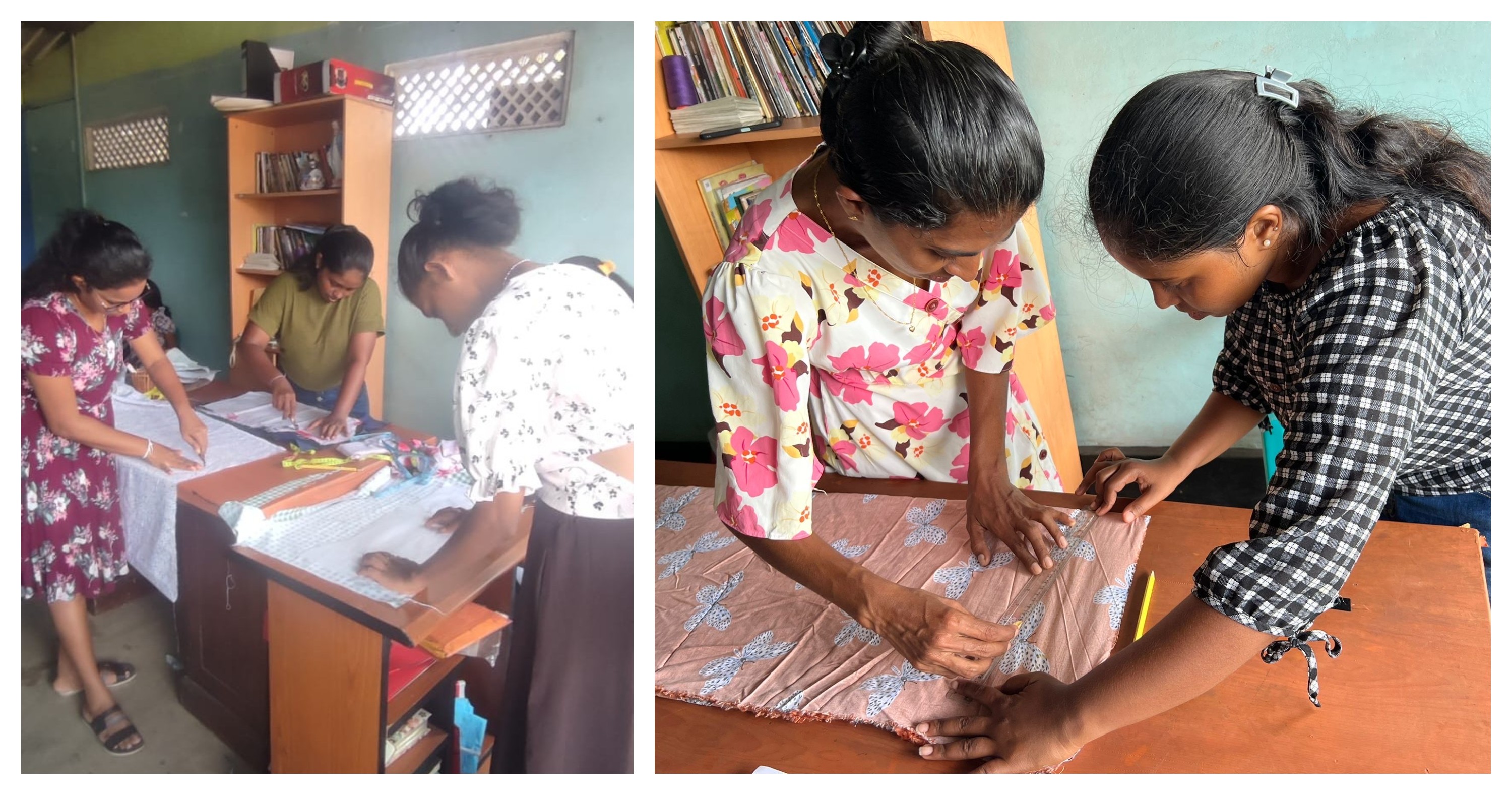
The training center is more than just a place of learning: it has become a space for discussion, meeting, and resources that is accessible at any time. Young people can consult information brochures, discover the programs that have been carried out, and get closer to the movement.

Finally, an exhibition entitled “The Craft Village” was organized. This fair showcased the products made after the training courses and gave visibility to the creativity of the young participants within their community.
A transformative effect
The limited budget was a significant challenge, making it difficult to achieve all of the project's ambitious goals.
Despite these constraints, the overall impact was transformative for the participants and their communities, paving the way for sustainable development and empowerment.

 English
  Español
  Français