
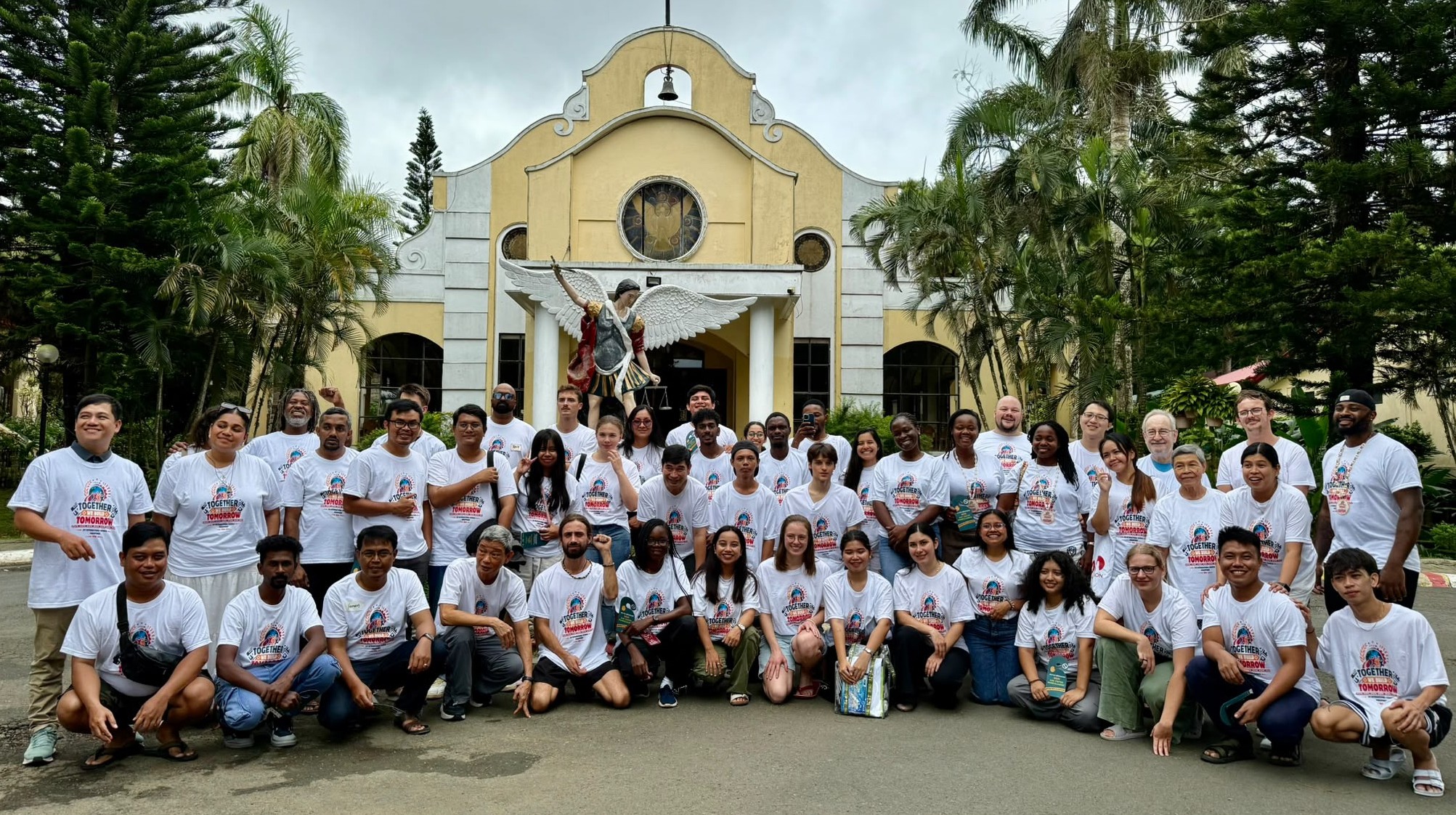
XVI IYCW International Council strengthens solidarity and commitment to action for 2027–2030
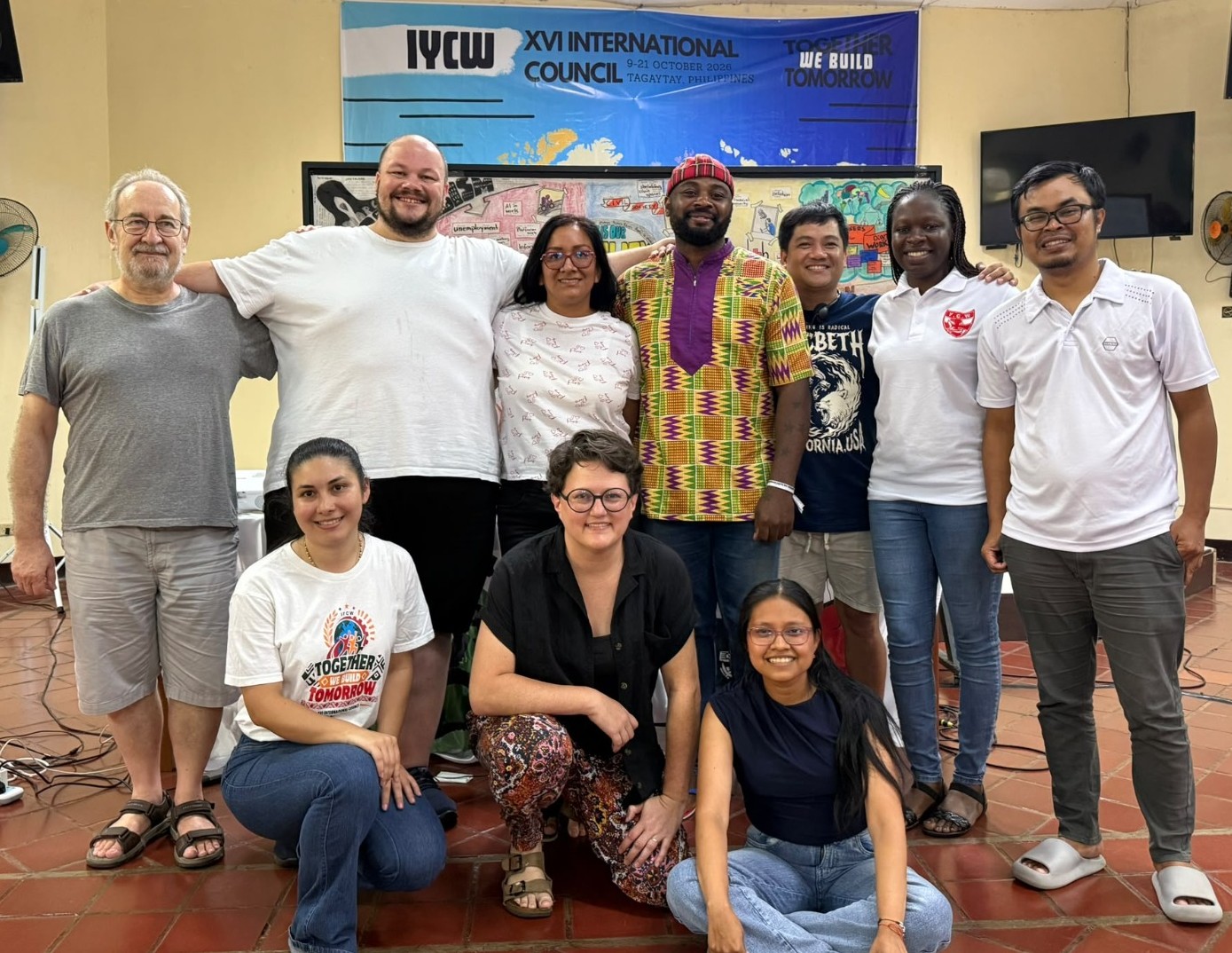
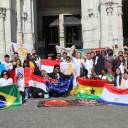
What does it mean to build an international movement when young workers face insecure jobs, rising living costs, and an increasingly uncertain future? From 9 to 21 October 2026, this question brought more than 50 delegates and participants from IYCW National Movements across four continents to Angels Hills Formation Center in Tagaytay City, Philippines, for the XVI International Council of the International Young Christian Workers (IYCW).
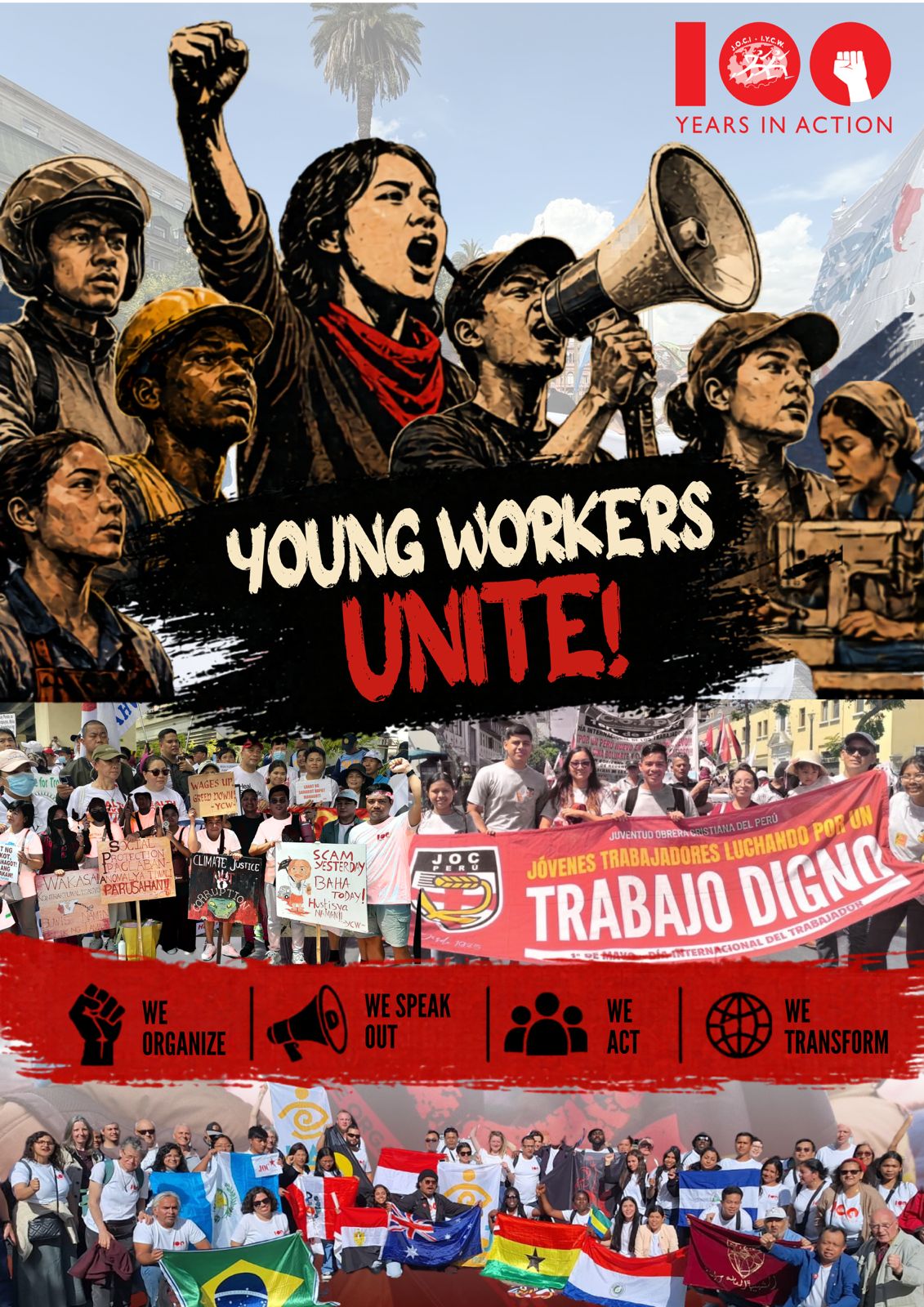
They brought experiences from workplaces, neighbourhoods, and grassroots groups. Through collective reflection, practical formation, and democratic discussion, the Council connected these experiences and developed a shared direction for the years ahead. At the centre of that commitment was the International Plan of Action (IPA) for 2027–2030, guided by the call: “Young Workers Unite for Dignified Work and Lives!”.
Finding a common direction across borders
Despite differences between countries, delegates recognised many shared struggles: unemployment, precarious work, inadequate wages, discrimination, and limited social protection. They discussed how these conditions affect mental health, access to education, family responsibilities, and the possibility of building an independent life.
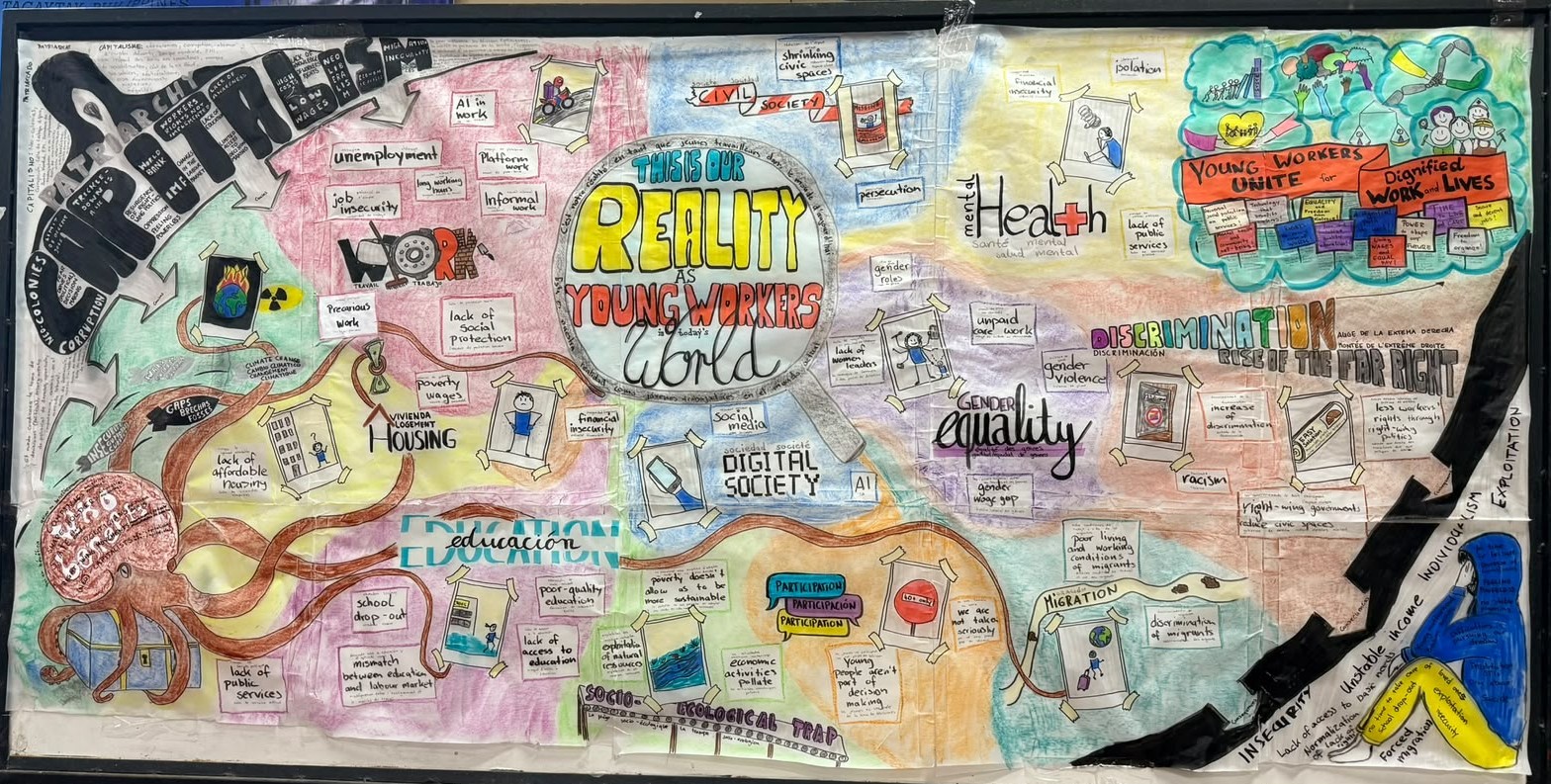
The Council created space to analyse these experiences collectively and connect them with wider economic and political structures. Problems often carried as personal burdens became starting points for shared demands and international solidarity.
Christine, a delegate from YCW Philippines, emphasised that the International Council is an important space for young people to learn from the experiences of different National Movements. Equally important, she explained, is the opportunity to establish a common goal and direction as one international movement for the coming years.
Her reflection captures a central impact of the Council: strengthening the connection between local struggles and a collective international purpose. Delegates could recognise their own realities in the experiences of others, question their approaches, and consider what they could achieve together.
Education that prepares young workers to act
Throughout the Council, education remained closely connected to action. Sessions on See–Judge–Act and the Review of Life and Workers’ Action encouraged delegates to move beyond describing problems towards understanding their causes, defining demands, and organising collective responses.
Exchanges between National Movements made this process concrete. Experiences involving contract workers, collective actions, and formations on labour rights, as well as community kitchens, gardens, and environmental initiatives provided opportunities to examine how action develops, what difficulties arise, and how young people learn through taking responsibility.
Rosa, a delegate from YCW Venezuela, highlighted the Council’s importance as a space to discuss both the realities young people experience today and those they may face in the future. In the context of continuing crises, the delegate raised a fundamental question: how should the IYCW respond as a movement of education by, among, and for young workers?
That question gives the International Plan of Action its educational and political purpose. Young workers must have the means to understand the forces shaping their lives, organise with others, and influence the decisions that affect them. The Council reinforced their role as the people who lead this process.
A commitment to dignified work and lives
The IPA for 2027–2030 brings this direction into three connected areas: Just Work; Life, Equality, and Environment; Quality Education.
Under Just Work, the commitment is to organise for concrete improvements in wages, contracts, working hours, workplace safety, and social protection. Particular attention goes to informal, domestic, migrant, and platform workers, whose conditions often leave them exposed to exploitation and exclusion.
The plan connects rights education with collective demands. Workplace enquiries, testimonies, and regular workers’ groups can support campaigns for written contracts, payment of unpaid wages, safer equipment, and access to social security. Cooperation with independent trade unions and other allies can strengthen these efforts.
Life, Equality, and Environment recognises that dignity also depends on affordable housing, healthcare, care services, community relationships, and a healthy environment. It connects mental well-being with the pressures of insecure work and economic hardship, while promoting spaces where young people can share experiences and support one another.
Gender equality forms part of this commitment in both public action and the movement’s own practices. Supporting young women’s leadership, sharing care responsibilities, and preventing violence and discrimination are necessary conditions for equal participation. The plan also calls for migrants, refugees, and LGBTQIA+ young people to help lead the actions that concern them.
Quality Education addresses the barriers preventing young workers from entering, continuing, or completing their studies. It calls for accessible education and training, paid and protected internships, and fairer transitions into secure employment. Alongside practical skills, it promotes critical awareness, knowledge of rights, and the capacity to organise for social change.
Together, these priorities express a clear position: the economy, public institutions, and technological development must serve people’s dignity and well-being.
Carrying the Council into everyday struggles
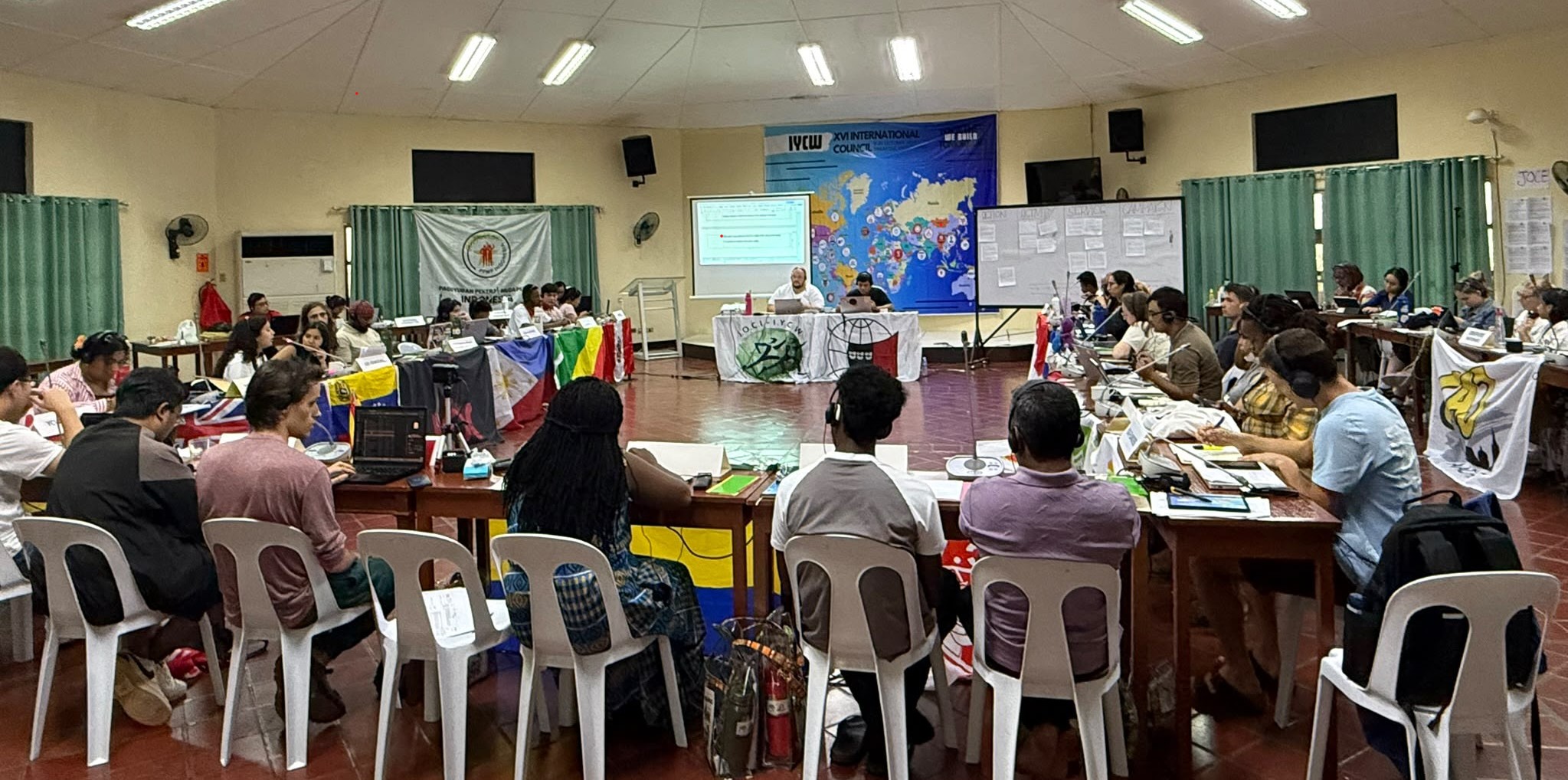
The Council’s immediate impact lies in the relationships strengthened, the learning developed, the leadership renewed, and the common direction shaped through participation. Its lasting impact will depend on how these results take root after delegates return home.
The IPA provides a basis for that work. National Movements are called to choose achievable priorities grounded in young workers’ realities, identify clear demands and responsibilities, and review the changes their actions produce. International exchanges and solidarity can help movements learn from one another and sustain their efforts.
Progress will be visible when workers secure rights, young people overcome barriers to education, women gain greater space in leadership, and grassroots groups become stronger. It will also be visible when young workers who once felt isolated gain the confidence to speak, organise, and act with others.
The Council closes, but the work moves forward. From Tagaytay to workplaces and communities across four continents, young workers carry a shared determination to organise, challenge injustice, and win lasting change. With the IPA 2027–2030 as their guide, they are turning solidarity into collective power. Together, we can make dignified work and lives a reality.





 English
 Español
 Français
